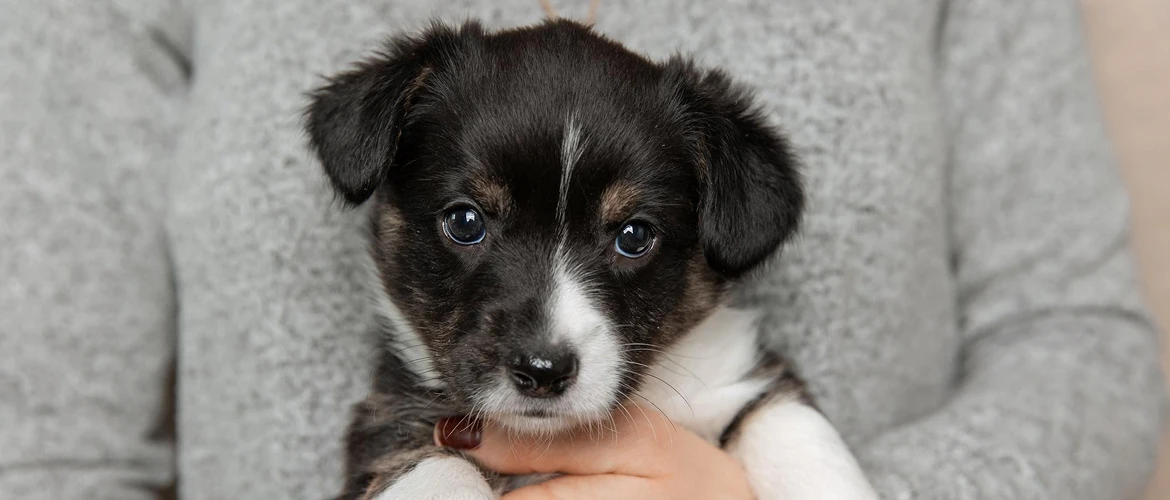

Traveling with a new puppy is one of the most exciting experiences for pet parents, but it also comes with a lot of responsibility. Puppies are delicate, and exposing them to new environments too early or without proper preparation can put their health at risk. Understanding when puppies can travel, what vaccinations are essential, and how to prepare them for safe adventures is key to ensuring both your puppy’s safety and your peace of mind.
For first-time puppy owners, choosing a healthy, well-socialized puppy is critical. Puppy Petite offers teacup and toy breed puppies that are vaccinated, dewormed, and carefully monitored by a veterinarian, making them ideal for families looking to enjoy safe socialization and travel experiences.
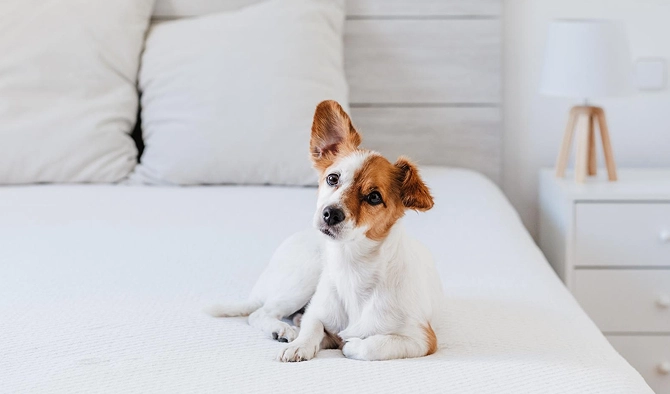
Puppies go through rapid developmental stages during their first few months, which directly impacts when they are ready to travel safely.
Timing is crucial: rushing travel before a puppy is ready can expose them to disease and stress, potentially affecting their development.
The timing of travel is just as important as the type of travel. Young puppies have immature immune systems, making them more susceptible to infectious diseases such as parvovirus or distemper. Traveling too early can also increase anxiety and make it difficult for your puppy to adjust to new environments later in life.
Waiting until your puppy is properly vaccinated and socialized allows for:
Puppies from reputable sources, such as Puppy Petite, are raised in safe, controlled environments with regular veterinary supervision, which helps them adapt more quickly when travel becomes part of their routine.
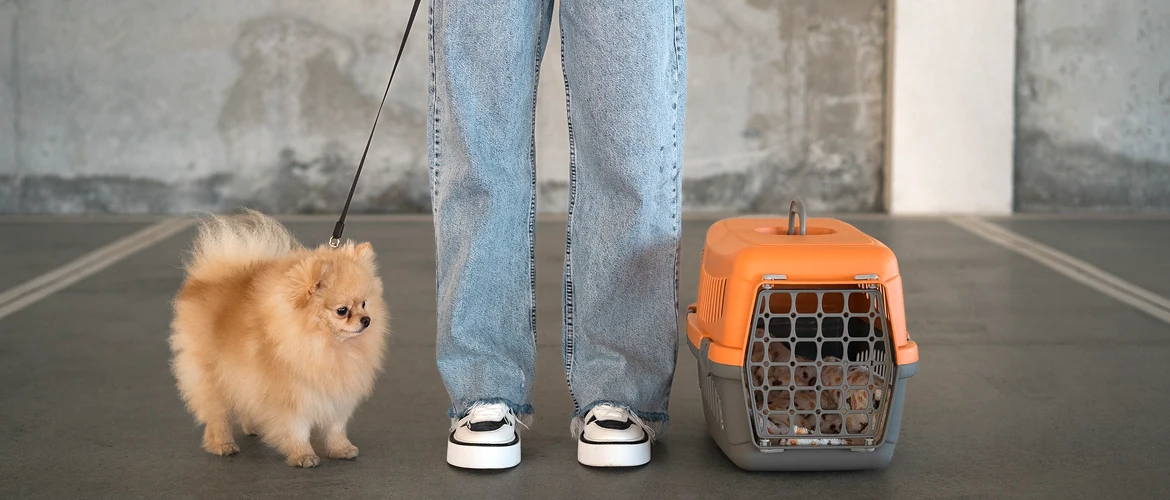
Before traveling, your puppy must be up to date on core vaccinations. These vaccines protect against diseases that can be fatal or highly contagious:
Vaccines are usually given in a series, beginning at 6–8 weeks and continuing until at least 16 weeks of age. Following your veterinarian’s recommended schedule ensures your puppy has the best protection before exposure to new environments.
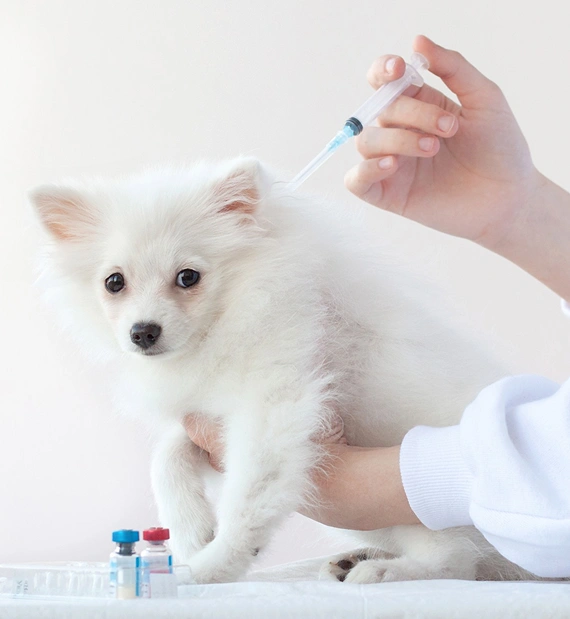
Depending on your travel plans, additional vaccines may be recommended:
Consult your veterinarian before any travel to determine the vaccines most appropriate for your puppy’s destination.
Many forms of travel, particularly air travel or trips across state lines, require health certificates issued by a licensed veterinarian. A vet check also ensures your puppy is physically ready for travel and can safely handle the journey.
Puppy Petite provides:
These measures make it easier to meet travel documentation requirements while ensuring your puppy is healthy and ready for adventure.
Car travel is often the easiest way to introduce your puppy to new environments. To keep your puppy safe:
Short practice trips around your neighborhood can help your puppy acclimate to car travel before longer journeys.
Air travel requires careful preparation, especially for small breeds:
Puppies may also travel on buses, trains, or rideshares:
Proper training and socialization are essential for stress-free travel:
Socialization not only improves travel readiness but also helps prevent behavioral issues in adulthood.
A well-prepared travel kit ensures your puppy’s comfort and safety:
Travel can be stressful for puppies, especially their first few trips:
Traveling with a puppy often requires compliance with local, state, or international regulations:
Proper planning ensures a smooth journey and avoids unnecessary complications.
Sometimes, it’s best to postpone travel to protect your puppy’s health:
Delaying travel until your puppy is fully prepared reduces risk and ensures a positive experience.
Traveling with a puppy is a rewarding experience that requires careful planning, including ensuring your puppy is fully vaccinated and healthy, starting with short trips to build confidence, packing essentials while maintaining comfort and routine, and following all legal and documentation requirements. Choosing a well-cared-for, healthy puppy from reputable breeders like Puppy Petite helps ensure your companion is ready for safe and enjoyable adventures, making every journey memorable for both you and your puppy.
Planning your puppy’s first adventures? Choose Puppy Petite for teacup Chihuahuas raised with care, complete health records, and the peace of mind that comes from knowing your puppy is healthy, vaccinated, and ready for safe travels.
Please call or text 718-306-4136 or Email us at puppypetite@aol.com
Copyright © 2025 Puppy website. All rights reserved.


Copyright © 2026. Puppy Petite Website. All Rights Reserved.
8002 17th Avenue,
Brooklyn NY 11214
Copyright © 2025 Puppy website. All rights reserved.