


Getting a puppy usually starts with excitement. People think about size, color, maybe temperament, and imagine how life will look once the dog is home. What often gets missed is where that puppy actually comes from.
A purebred puppy breeder has a bigger influence on a dog’s long-term health and behavior than most people expect. It’s not just about breed labels or paperwork. It’s the early environment, handling, and decisions behind the litter that quietly shape everything later on.
That’s where Puppy Petite stands out: it focuses on health, structure, and early social development so puppies aren’t starting life at a disadvantage.

A purebred puppy breeder works with dogs from the same recognized breed, with documented lineage.
On paper, that sounds formal. In reality, it just means there’s a traceable background that helps maintain more consistent breed traits over time.
Organizations like the American Kennel Club help define what those breed expectations look like, but the real difference still comes down to how carefully the breeder works with those lines.
Some breeders treat it casually. Others treat it like long-term stewardship of the breed. You can usually feel the difference in the puppies themselves.
You don’t always see the impact of breeding choices right away. A puppy can look perfectly healthy at eight weeks and still carry the effects of poor breeding conditions or lack of early structure.
When things are done properly, though, the difference shows up later in subtle ways, such as how easily the dog adjusts, how they respond to people, and how they handle new environments.
It’s less about “perfect dogs” and more about starting conditions.
Good breeders tend to prioritize things like:
That last part matters more than people realize. Matching the right puppy to the right home changes everything.
This is part of the approach used by Puppy Petite, where development isn’t rushed just to produce more litters.
Health testing often sounds technical, but it’s actually one of the most important parts of responsible breeding.
Many purebred dogs are prone to inherited conditions. A careful purebred puppy breeder tries to reduce those risks before breeding even happens.
Depending on the breed, that might involve hip checks, eye exams, heart screenings, or genetic testing.
It doesn’t guarantee a perfect outcome, but it shifts the odds in a much better direction.
And for most families, that alone brings peace of mind.
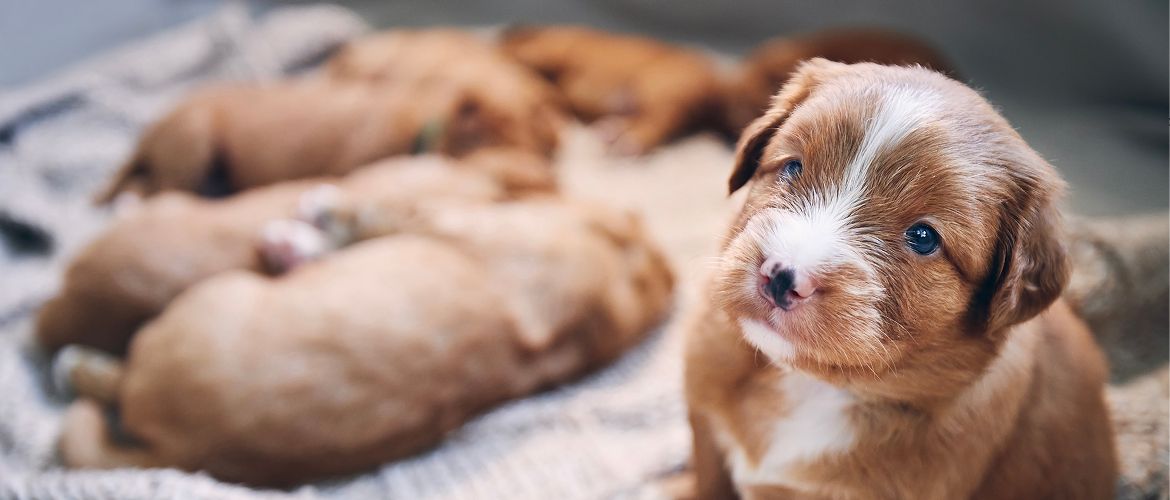
Many behavior patterns start long before training ever begins.
Puppies learn fast. The environment they’re exposed to in those early weeks sticks with them.
In responsible breeding environments, puppies are gently introduced to everyday life, nothing overwhelming, just normal exposure.
Things like household noise, being handled by people, basic routines, and calm interaction all add up quietly over time.
Puppies raised this way usually don’t feel as “shocked” by new homes. They settle faster. They observe more and panic less.
Some breeders even introduce very light structure, such as crate familiarity and simple routines, just to make transitions smoother.
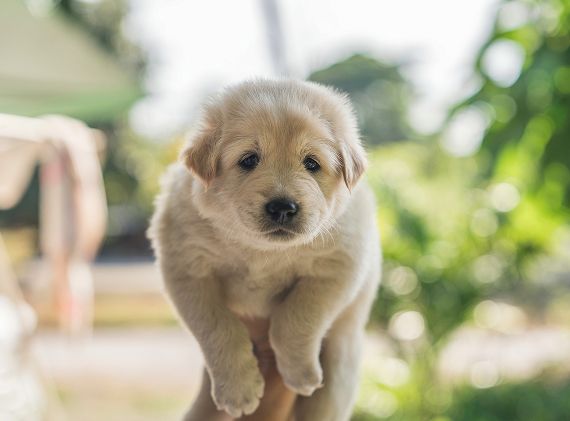
AKC registration comes up a lot when people talk about a purebred puppy breeder, but it’s often misunderstood.
It doesn’t mean the breeder is automatically excellent. What it does mean is that the puppy’s lineage is documented and traceable.
That matters because it adds clarity.
You’re getting:
It’s less about prestige and more about knowing what you’re actually bringing home.
Designer breeds are usually created by mixing two purebred dogs. Sometimes the results are great. Sometimes they’re unpredictable.
Purebred dogs tend to offer more stability in what you can expect long-term.
Not perfect predictability, but enough to plan around.
That includes factors such as size, grooming needs, temperament, and general energy levels.
For families who prefer fewer surprises, that consistency is often the deciding factor when choosing a purebred puppy breeder..
At some point, it becomes less about marketing and more about how transparent everything feels when you’re actually talking to the breeder. A good purebred puppy breeder won’t rush you or avoid details. They’ll usually be open about health history, how the puppies are raised day to day, and what kind of temperament you can realistically expect as the dog grows.
There’s also a noticeable difference in how the conversation feels. Responsible breeders tend to be steady and straightforward, answering questions without pressure or urgency. If things start to feel vague, overly polished, or too focused on closing a sale, it’s usually a sign to slow down and reassess before moving forward.
Families looking for a reliable purebred puppy breeder often choose Puppy Petite for its focus on early development, health standards, and responsible placement.
Instead of treating puppies as products, the focus stays on raising them with structure and care so they adapt better once they move into a home.
That includes:
It’s a slower, more intentional way of doing things, but it usually leads to more stable, well-adjusted puppies and a smoother experience for the families who bring them home.
A puppy isn’t just a short-term decision. It becomes part of daily life for years. That’s why the purebred puppy breeder behind the dog matters so much. It influences health, behavior, and how smoothly the puppy adjusts to a new environment. Whether it’s a Shih Tzu, Maltese, or Poodle, starting with the right breeder makes everything that comes after noticeably easier. For many families, that’s where Puppy Petite
becomes part of the decision, not at the end, but right at the beginning.
Please call or text 718-306-4136 or Email us at [email protected]
Check for licensing, experienced breeders, proper health protocols, and positive customer reviews. Stores with health guarantees and veterinarian oversight, like Puppy Petite, are reliable choices.
Yes, visiting allows you to observe the environment, meet the puppies, and ask about their health and socialization.
Puppies need age-appropriate vaccinations, including distemper, parvovirus, and rabies. Always request the puppy’s vaccination record and discuss the schedule with your vet.
Within the first 14 days, ensure health, continue vaccinations, and establish preventive care.
No. Guarantees vary by store. Puppy Petite provides a one-year health guarantee, free vet exams, and independent vet confirmation to protect buyers.
Copyright © 2025 Puppy website. All rights reserved.
Copyright © 2026. Puppy Petite Website. All Rights Reserved.
Copyright © 2025 Puppy website. All rights reserved.


