

Bringing home a purebred puppy is exciting, but it also creates a new daily routine built around feeding, exercise, training, grooming, and preventive care. The first several months are especially important because puppies are growing quickly, learning how to behave, and adjusting to unfamiliar people, sounds, and surroundings.
Breed information can help you anticipate adult size, coat care, energy level, and temperament. However, every puppy develops differently, so care should also reflect the puppy’s appetite, movement, behavior, and overall condition.
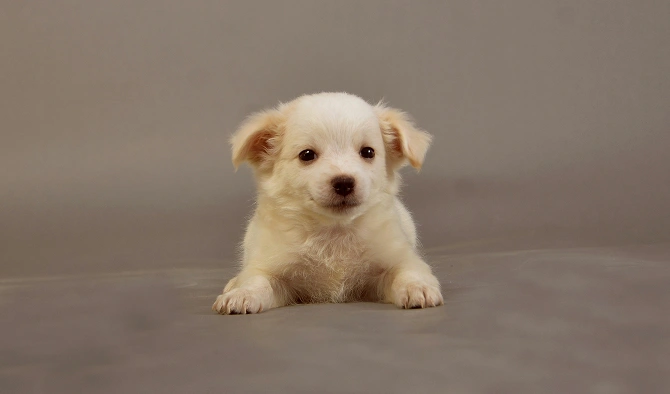
A purebred puppy comes from parents of the same recognized breed. This often makes traits such as size, coat type, grooming requirements, and activity level more predictable. Even so, puppies from the same breed or litter can have very different personalities and needs.
Before bringing a puppy home, ask for information about:
This information supports a smoother transition and gives your veterinarian a clearer picture of the puppy’s early care.
Families researching a purebred puppy can review Puppy Petite while comparing health practices, parentage, socialization, and post-adoption support. A responsible source should answer questions rather than rush the decision.
Nutrition affects muscle, bone, coat, and immune development. Puppies need food formulated for growth, not simply smaller portions of adult dog food.
Look for food labeled complete and balanced for puppies or for growth. Which formula is right depends on your puppy’s age, weight, expected adult size, activity level, digestive tolerance, and health.
Toy and petite puppies often do better with smaller kibble pieces that are easier to chew. Some small-breed formulas run more calorie-dense too, which helps meet their energy needs without a large meal.
Do not add calcium, vitamins, or supplements unless your veterinarian recommends them. Balanced puppy food already has its nutrients in specific proportions, and supplementing on top of that can throw the balance off.
Young puppies usually do better on several small meals across the day. Scheduled feeding supports digestion, helps with house-training, and makes a change in appetite easier to catch.
A typical routine might include:
How many meals exactly comes down to age, size, and health. Measure each portion rather than leaving food out with no sense of how much is going in.
Moving to a new home can already affect a puppy’s stomach. Continue using the familiar food during the first several days unless a veterinarian advises otherwise.
When switching diets, gradually mix the new food with the old food over several days. Watch for loose stool, vomiting, reduced appetite, abdominal discomfort, or unusual tiredness. Persistent or severe symptoms require veterinary advice, especially in very small puppies.
Food package instructions are only a starting point. Your veterinarian can confirm whether growth is appropriate.
You should generally be able to feel the ribs beneath a light layer of tissue without seeing them sharply. The puppy should also have some waist definition when viewed from above.
Keep training treats small and include them in the puppy’s daily food intake. Fresh water should remain available throughout the day. Significant changes in drinking habits should be discussed with a veterinarian.

Exercise helps puppies build coordination, confidence, and healthy habits. A growing puppy should not be worked like an adult dog, though, since their bones, joints, and muscles are still coming along.
Several brief bursts of activity usually beat one long session. Good options include:
Mental enrichment matters as much as physical movement. A short training session or a puzzle toy can satisfy your puppy’s curiosity without overworking their body.
Breed, size, weather, health, and personality all play into endurance.
Stop the activity if your puppy falls behind, sits down repeatedly, pants heavily, loses interest, looks stiff, or wants to be carried. Puppies need a lot of sleep, and rest is what supports both growth and learning.
Petite puppies can be vulnerable to falls and rough handling. Limit repeated jumping from beds, couches, and chairs. Use ramps, pet steps, safety gates, and nonslip rugs where appropriate.
Avoid long-distance running, forced jogging, repetitive stair climbing, rough play with much larger dogs, and exercise on very hot pavement. If your puppy limps, cries during movement, or avoids using a leg, stop the activity and contact a veterinarian.
Schedule a veterinary exam soon after your puppy comes home, even if they have already had care elsewhere. Bring the vaccination records, deworming history, feeding instructions, and any previous veterinary notes.
During the visit, the veterinarian may check weight, heart, lungs, eyes, ears, teeth, skin, joints, and overall development. It is also a good moment to talk through nutrition, grooming, socialization, parasite prevention, and any breed-related concerns.
Puppies generally need a series of vaccinations, not a single visit. The schedule depends on age, health history, location, and exposure risk.
Ask when your puppy can safely visit public sidewalks, parks, grooming facilities, training classes, and the other places unfamiliar dogs use. Until they have enough protection, stick to controlled environments and follow your veterinarian’s guidance.
Fleas, ticks, intestinal worms, and heartworms can affect puppies. Prevention varies by location and lifestyle, so use products recommended for your puppy’s age and weight.
Never guess the dosage, particularly with toy or teacup puppies. Products intended for larger dogs can be dangerous when used incorrectly.

Grooming does more than keep your puppy looking good. It gives you a regular chance to check the skin, ears, paws, nails, teeth, and coat.
A basic routine might include:
Long-coated breeds like Yorkies, Maltese, and Shih Tzus need regular brushing to keep mats from forming. Poodles need ongoing trimming, and double-coated breeds need proper brushing to stay on top of loose undercoat.
Introduce the tools slowly and keep those early sessions short. Dental care belongs in puppyhood too. Use toothpaste made for dogs, never human toothpaste.
A puppy needs structure, positive learning experiences, and chances to build confidence.
Meals, bathroom breaks, play, naps, bedtime, keep those consistent and a puppy feels secure. It also means any shift in behavior or health stands out sooner.
Set aside a quiet sleeping area too, somewhere your puppy can rest without constant handling or noise.
The moment your puppy comes home, training has already started. Begin with:
Brief sessions, and reward what you want to see more of. Food, praise, toys, play, any of them reinforce a good choice. What to avoid is shouting or physical punishment, which only builds fear and never teaches your puppy what to do instead.
Socialization helps a puppy form positive associations with people, animals, sounds, surfaces, and environments. Useful experiences may include car rides, elevators, household appliances, different flooring, calm children, gentle handling, and healthy compatible dogs.
Do not force a frightened puppy toward something unfamiliar. Allow it to observe from a comfortable distance and use treats or praise to build confidence.
Begin with short periods in a crate, playpen, or puppy-proofed room. Stay nearby at first, then gradually increase the time apart. Calm departures and returns help teach the puppy that brief periods alone are normal.
Puppies explore with their mouths and can reach objects owners may overlook. Check each room from the puppy’s height.
Secure or remove:
Toy puppies require extra awareness because they can be difficult to see under blankets or near a person’s feet. Children should sit on the floor while holding a small puppy, and interactions with larger pets should remain supervised.
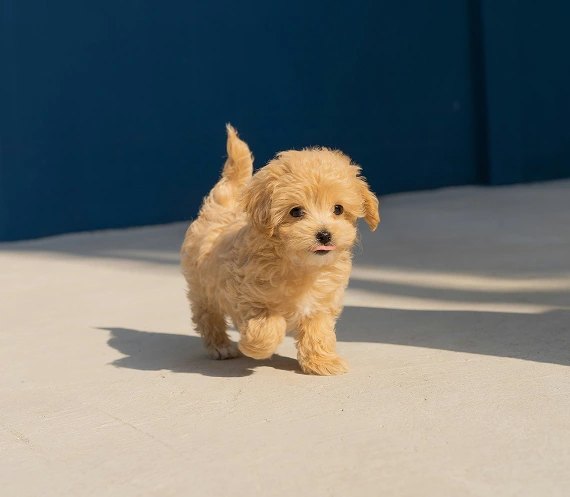
Daily observation is one of the simplest wellness tools you have. Learn what normal looks like for your puppy and the meaningful changes stand out early.
Keep an eye on:
Contact a veterinarian promptly if your puppy refuses multiple meals, becomes unusually weak, vomits repeatedly, has persistent diarrhea, struggles to breathe, cannot walk normally, or shows a sudden major behavior change.
Very young and petite puppies can become ill quickly, so it is safer to seek professional guidance than wait when symptoms are significant.
Little mistakes have a way of adding up in a puppy’s health and development. Sudden food changes, too many treats, overexercise, missed veterinary care, those are the ones to steer clear of.
Common mistakes include:
With toy and petite puppies, the care has to go further still. Their size leaves them more vulnerable to falls, to incorrect medication doses, and to health changes that come on fast.
A consistent routine supports healthy growth, and it makes the unusual changes easier to catch.
Each day, give your puppy:
Keep an eye on appetite, energy, movement, and bathroom habits. Contact a veterinarian if you notice persistent digestive issues, unusual tiredness, limping, or changes in eating or drinking.
Please call or text 718-306-4136 or Email us at puppypetite@aol.com
Not always. The food should first be suitable for the puppy’s age, expected adult size, health, and nutritional needs. Some small-breed formulas may be easier to chew or provide more calories in smaller portions, but nutritional balance is more important than the breed name printed on the package.
Young puppies generally need several small meals throughout the day. The correct schedule depends on age, size, health, and veterinary recommendations. Toy and petite puppies may need closer meal monitoring because their smaller bodies have limited energy reserves.
Continuing the puppy’s familiar food during the first few days can reduce digestive stress. When a diet change is needed, introduce the new food gradually rather than switching immediately.
Exercise should match your puppy’s age, breed, size, physical condition, and energy level. Short stretches of gentle activity usually suit them better than long walks or anything intense. Stop when your puppy looks tired, moves stiffly, hangs back, or goes unusually quiet afterward.
Training can start the day your puppy arrives home. Those early lessons are best kept to name recognition, bathroom routines, calm handling, recall, and simple reward-based commands. Short sessions tend to work better than long ones.
Available documentation may include vaccination and deworming records, feeding instructions, veterinary examination notes, parentage or registration information, and details about any applicable health guarantee. These records should be shared with the puppy’s veterinarian.
Copyright © 2025 Puppy website. All rights reserved.


Copyright © 2026. Puppy Petite Website. All Rights Reserved.
8002 17th Avenue,
Brooklyn NY 11214
Copyright © 2025 Puppy website. All rights reserved.
