


There is real excitement in bringing home a purebred puppy, though a strong bond asks for more than food, toys, and affection. What builds the lasting relationship is trust, patience, consistent care, and getting to know how your puppy communicates.
Give the first few weeks their due. They are an adjustment period, your puppy learning a new home, new routines, new people. Keep the environment safe and positive and they settle in, and the confidence and trust start to follow.
No two puppies are alike, even littermates of the same breed. Pay attention to what your own puppy needs, guide them well, and put in real time together, and you help your companion grow into a confident, happy, loving part of the family.
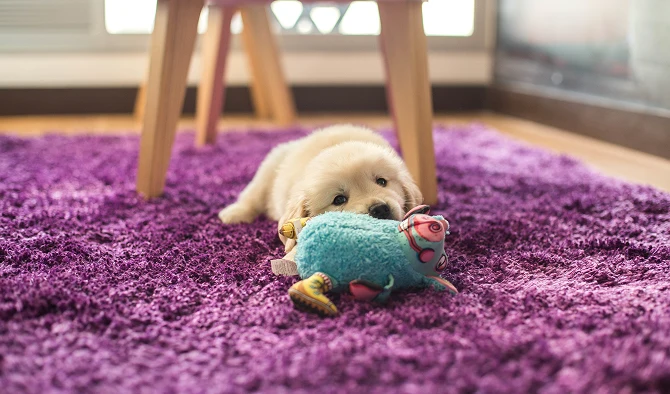
A purebred puppy often comes with specific traits that have been developed through generations. Breed history can provide useful information about expected size, grooming needs, activity level, and general temperament. However, those characteristics are only a starting point.
Your puppy’s personality comes out of a mix of genetics, early experiences, training, and the daily back-and-forth with you. Take the time to watch your puppy and you start to see how they learn, how they communicate, and how they respond to what is around them.
Pay attention to your puppy’s natural behaviors, things like:
Plenty of small companion breeds, for instance, are known for forming close relationships with their owners. Toy and teacup breeds often like being part of family activities, though they still need chances to explore, learn, and build some independence.
Understanding your puppy’s personality also keeps your expectations realistic. Rather than trying to make your puppy behave a certain way, you can build a relationship around what they actually need.
For a puppy, leaving a breeder’s environment for a new home is a big change. New sights, new smells, new sounds, new routines, and even a confident puppy needs time to take it all in.
That is why a calm introduction helps. Instead of every room, every visitor, and every experience arriving at once, let your puppy come to know their surroundings a little at a time.
Give your puppy a dedicated spot to relax and feel secure, one they come to associate with comfort and never with punishment.
A puppy-friendly environment should include:
That safe space matters, it is somewhere to retreat when they are tired or overwhelmed. Developing puppies need a lot of sleep, and letting them get it supports their physical growth and their emotional adjustment alike.
The temptation is to introduce your new puppy to everyone straight away, but a flood of new experiences can just create stress.
Through those first days:
Give a puppy that feeling of safety and curiosity and confidence tend to follow, along with the beginnings of trust in their new family.
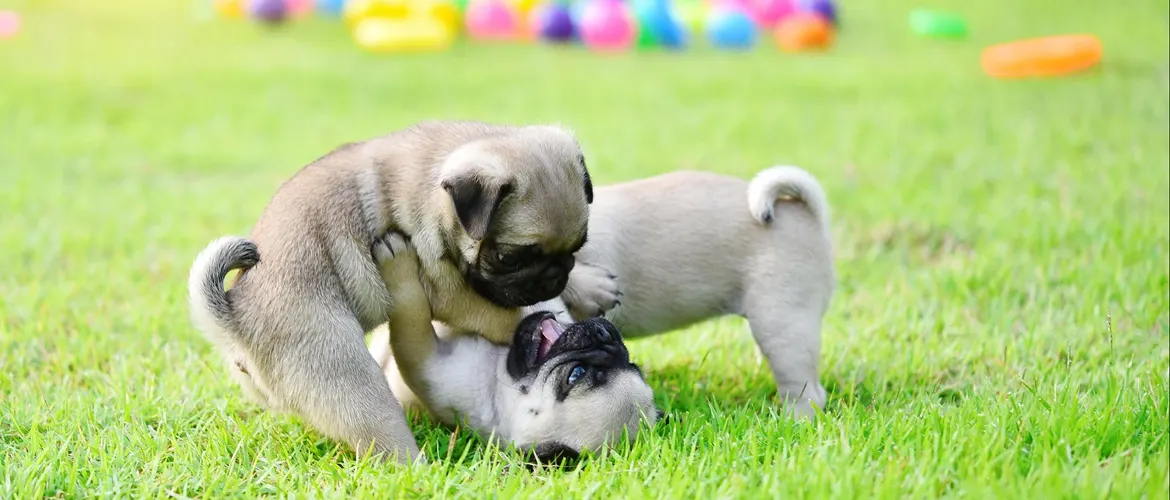
Puppies learn by repetition. A predictable routine tells them what to expect and gives them a sense of stability.
That consistency is one of the simplest ways to strengthen your relationship, because your puppy starts to associate you with comfort, care, and reliability.
What a regular routine might look like:
Smaller breeds benefit from that structure most of all. Because of their size, toy and teacup puppies can come with particular care needs, careful feeding routines, appropriate exercise, and frequent rest among them.
Repetition is how your puppy learns, which means the expectations around the house have to hold steady.
If jumping on the furniture is off-limits, it has to be off-limits for everyone in the home. Mixed signals only make training harder and leave your puppy confused.
When the expectations are clear, your puppy figures out which behaviors are encouraged, and they feel more secure in their environment.
There is more to training than commands. Really it is the two of you learning to communicate.
When a puppy understands what you expect, their confidence grows; when you understand how your puppy learns, your guidance gets better.
Simple behaviors are plenty to start with:
Short and enjoyable is the rule for sessions. A puppy has only so much attention in them, and wrapping up while they are still engaged leaves them with a good association around training.
Puppies figure out which behaviors bring rewards, and that is what positive reinforcement runs on.
Rewards can include:
Mistakes call for redirection, not fear-based correction. Chewing on the furniture? Calmly swap in an appropriate toy and reward them for taking it.
Build the training on encouragement and your puppy comes to see you as a trusted guide rather than someone to fear.
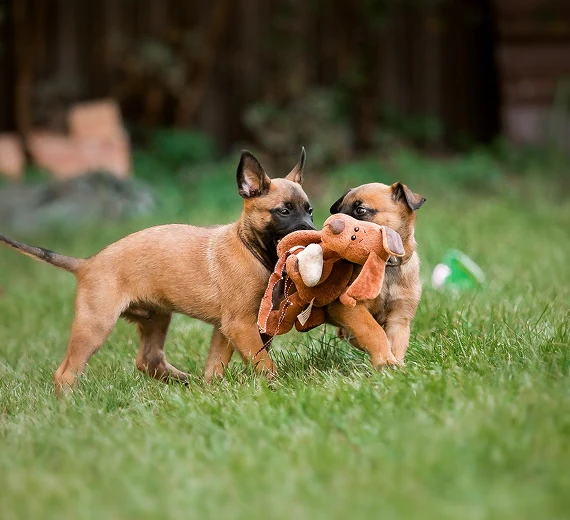
Bonding is not something that only happens during formal training. Many of the strongest connections form in the ordinary moments of the day.
Your puppy learns to trust you through shared experiences, whether that is playing together, exploring outside, or just being quiet in the same room.
Bonding activities might include:
Mental stimulation counts as much as physical activity. Games that get your puppy problem-solving keep them engaged and sharpen the communication between you.
A close bond does not mean your puppy should lean on you every minute of the day.
Teaching them to relax on their own builds confidence and keeps them from getting overly dependent.
Give your puppy chances to:
A confident puppy enjoys time with you and is also comfortable in their own environment.
Dogs communicate mostly through body language. Learn to read those signals and you can respond well and understand your puppy better.
A puppy who feels safe may:
Behaviors like these tell you your puppy sees you as someone they trust.
Your puppy may be asking for a break if they:
Respecting those signals builds trust. Once puppies learn their boundaries will be honored, they get more comfortable seeking out interaction on their own.
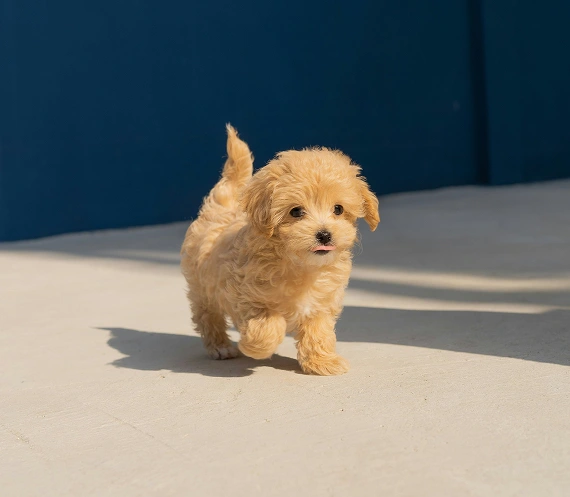
Grooming and handling are a real part of responsible puppy ownership, especially with breeds that have longer coats or particular maintenance needs.
Introduced the right way, these routines double as bonding time.
Get your puppy comfortable with gentle handling by working your way, little by little, to the areas that may need care later:
Pair the handling with praise and rewards, so your puppy learns these moments are safe ones.
Regular grooming may include:
With small companion breeds like Yorkies, regular grooming supports coat health and gets puppies used to routine care at the same time.
Bring grooming in patiently and it turns into one more way your puppy comes to associate you with comfort and attention.
Socialization teaches puppies how to handle different environments, people, and experiences. The point is not to overwhelm them, but to bring new situations in positively.
Good socialization opportunities may include:
Every interaction should land positively. If your puppy seems unsure, let them watch rather than pushing them into it.
Confidence in a puppy comes from positive experiences, repeated. Gradual exposure is what teaches them that new situations can be safe and manageable.
Your puppy’s health and comfort shape how well they can learn, play, and build relationships. Meeting their physical needs is a real part of building trust.
The areas of puppy care that matter:
A puppy who feels comfortable and healthy is in a much better position to engage with their family and pick up new skills.
The foundation of your relationship starts before your puppy ever comes home. Before your puppy ever walks through the door, the foundation of your relationship is already being laid. Responsible breeders focus on proper care, healthy development, early socialization, and pairing puppies with families whose lifestyles actually fit them.
If you are after a well-cared-for purebred puppy, experienced breeders who take responsible puppy care seriously are the place to start. Puppy Petite has specialized in toy and teacup Yorkie puppies for more than 25 years, and has helped families across New York City, New Jersey, Pennsylvania, Connecticut, and Massachusetts find healthy companions.
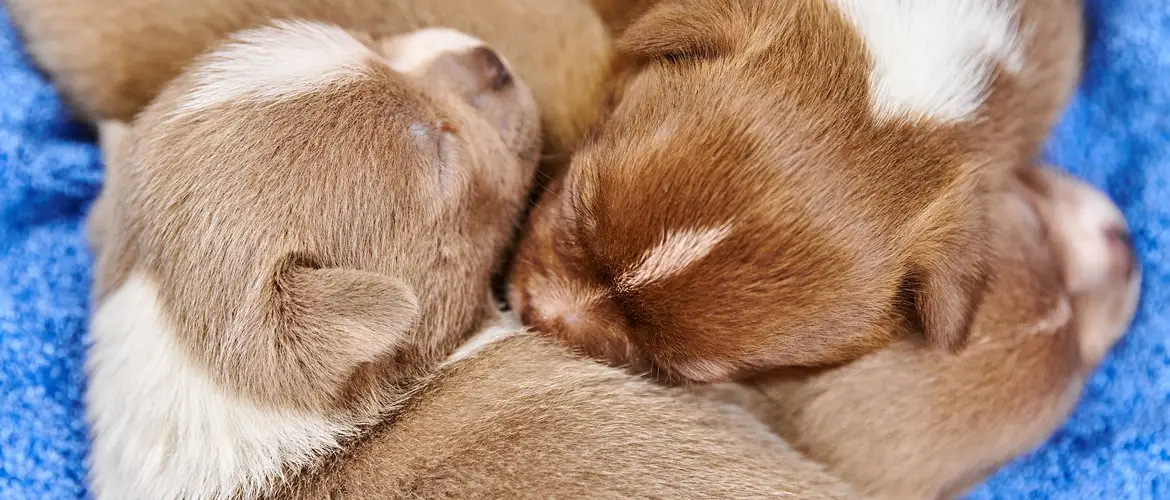
Even well-meaning owners can create problems by accident during puppyhood. Knowing the common mistakes helps you build a healthier relationship.
Avoid:
Patience is what trust runs on. Your puppy is still figuring out how the world works, and steady guidance is what carries them toward being a confident adult.
Every puppy adjusts at their own pace. Some settle in with their families quickly, others need more time.
The bonding process depends on:
You may notice your puppy:
Overnight is not how a strong bond gets built. It accumulates across hundreds of small moments, each one teaching your puppy that you mean safety, care, and support.
Some puppies may naturally prefer spending more time with one person, but they can build strong relationships with everyone who provides consistent care and positive experiences.
Provide a predictable routine, a safe environment, gentle training, and plenty of patience. Avoid rushing the adjustment process.
Yes. Training creates communication and helps your puppy understand expectations while building confidence.
Children should learn gentle handling, respect the puppy’s resting space, and interact through supervised activities.
A strong bond with your purebred puppy develops through everyday care. Feeding, training, grooming, play, and quiet companionship all contribute to the trust your puppy builds with you.
The most meaningful relationships are created through understanding and consistency. By learning your puppy’s personality, respecting their needs, and providing positive experiences, you can help your puppy grow into a confident, loving companion that remains a valued part of your family for years to come.
Families looking for guidance from an experienced source can explore Puppy Petite, where decades of experience with toy and teacup Yorkie puppies have helped families find healthy companions that fit their lifestyles.
Please call or text 718-306-4136 or Email us at [email protected]
Copyright © 2025 Puppy website. All rights reserved.
Copyright © 2026. Puppy Petite Website. All Rights Reserved.
Copyright © 2025 Puppy website. All rights reserved.


