

Teacup Chihuahuas are an extremely small variation of the Chihuahua breed, selectively bred to be even tinier than the standard version. While not officially recognized as a separate breed, their miniature size has made them a popular choice for those who want a compact companion that can easily fit into small living spaces or be carried around. Their size often sparks curiosity and conversation, as many potential owners wonder just how small these dogs are and what to expect as they grow. This article, brought to you by Puppy Petite, will help you understand the typical growth patterns, final size, and important considerations when it comes to caring for a Teacup Chihuahua so you can make an informed decision before bringing one home.
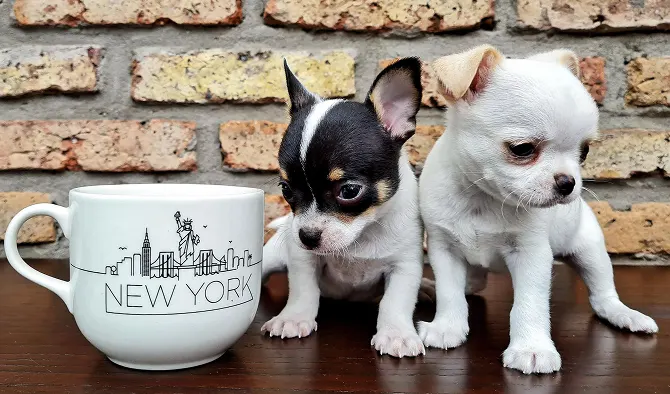
Chihuahuas belong to the toy group of dog breeds and are known for their tiny stature paired with a bold, confident personality. Within the breed, there are variations in size, coat type, and coloring, giving each Chihuahua its unique look. While Teacup Chihuahuas are bred to be smaller than the breed standard, they share the same spirited nature as their standard-sized counterparts. Understanding the characteristics of the Chihuahua breed helps owners appreciate their intelligence, loyalty, and adaptability, whether they live in an apartment or a larger home.
The term “Teacup” refers to an unofficial label used to describe Chihuahuas that are significantly smaller than the breed standard. The American Kennel Club does not recognize “Teacup” as a separate classification, which means these dogs are still considered regular Chihuahuas in the eyes of official breed registries. The name simply comes from their extremely small size, often small enough to fit into a teacup when they are puppies.
Teacup Chihuahuas differ from standard Chihuahuas primarily in their small stature. While a standard Chihuahua typically weighs up to 6 pounds, Teacup Chihuahuas usually remain between 2 and 4 pounds when fully grown. Their height is also shorter, often standing around 5 to 8 inches tall, compared to the slightly taller standard variety.
The tiny size of Teacup Chihuahuas is the result of selective breeding, where breeders pair the smallest dogs in a litter to produce even smaller offspring. While this practice can achieve the desired miniature look, it may also increase the risk of certain health issues due to a smaller gene pool and potential fragility. If you are considering a Teacup Chihuahua, it is important to understand both the appeal and the care needs that come with their petite stature.
Key differences from standard Chihuahuas include:
A Chihuahua puppy, especially in its earliest weeks, is incredibly small and delicate, making gentle handling and attentive care essential. These puppies typically weigh just a few ounces at birth, but they grow quickly during the first few months. Socialization and early training are important at this stage to encourage good behavior and prevent nervousness or excessive barking later in life. For Teacup Chihuahua puppies, the need for careful monitoring is even greater due to their fragility and higher susceptibility to low blood sugar and accidental injury.
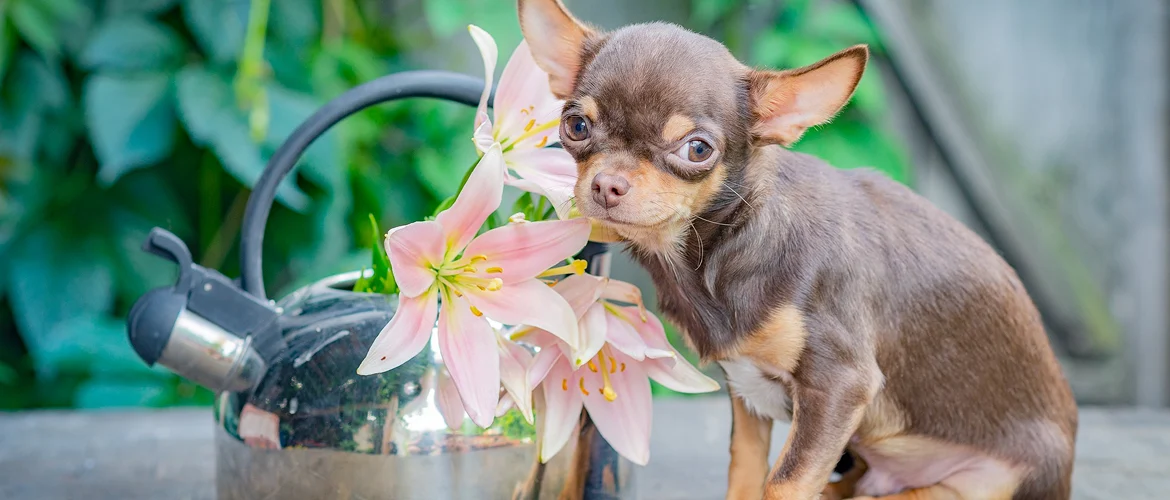
Teacup Chihuahuas are known for their exceptionally small size, which is one of their main attractions. Fully grown, they typically weigh between 2 and 4 pounds, making them much lighter than the average Chihuahua. Their height usually falls between 5 and 8 inches from the ground to the top of the shoulders, giving them a delicate, compact build that is easy to carry and manage.
When compared to standard Chihuahuas, the size difference is noticeable. A standard Chihuahua generally weighs between 5 and 6 pounds, which may not seem like much, but in such a small breed, even a pound or two creates a significant change in overall appearance and frame.
Growth in Teacup Chihuahuas happens quickly during their early months but begins to slow as they approach adulthood. Most will reach their full height and nearly their full weight by around 9 months of age, with only minor changes afterward. By the time they are 12 months old, their size typically stabilizes, although their body may fill out slightly with age.
Typical size characteristics include:
Teacup Chihuahuas go through a series of rapid growth phases in their first year, with the most noticeable changes happening during the first few months of life. Understanding this growth timeline helps owners track their development and ensure they are staying healthy.
From 0 to 3 months, Teacup Chihuahuas experience their fastest growth. During this stage, they develop rapidly in both weight and height, often doubling or tripling their birth weight. Proper nutrition and gentle care are crucial during this period, as their tiny bodies are still very fragile.
Between 3 and 6 months, most of the size gain takes place. Their bones, muscles, and coordination improve, and they start to resemble miniature versions of their adult selves. This is also when their energy levels and playfulness peak, contributing to healthy physical development.
From 6 to 12 months, growth begins to slow. While they may gain a small amount of weight or height, the changes are far less dramatic than in the earlier months. By the end of this stage, most Teacup Chihuahuas are very close to their full-grown size.
At 12 months and older, their weight and height generally stabilize. While their physical size will remain consistent, their body may fill out slightly as they mature, especially if their activity level or diet changes.
Key growth stages include:

Several factors determine how big a Teacup Chihuahua will grow, and understanding them can help owners set realistic expectations. While these dogs are bred to be small, there can still be slight variations in size from one Teacup Chihuahua to another.
One of the most significant factors is genetics. The size of a puppy’s parents is often a good indicator of how large the dog will be as an adult. Breeders often pair the smallest Chihuahuas to produce smaller offspring, but even then, genetics can produce slight differences in weight and height.
Nutrition and feeding habits also play a role. A balanced diet with proper portions ensures healthy growth without causing the puppy to become underweight or overweight. Overfeeding can add unnecessary pounds to a small frame, while underfeeding can stunt development.
Certain health conditions can impact size as well. Issues such as digestive disorders, metabolic problems, or congenital defects may slow growth or cause weight fluctuations. Regular veterinary checkups help catch and address these concerns early.
Lastly, exercise and activity level influence muscle tone and body composition. While Teacup Chihuahuas do not require intense physical activity, consistent gentle play and short walks promote healthy development without straining their tiny bodies.
Key factors affecting size include:
Monitoring your Teacup Chihuahua’s growth is an important part of ensuring they are developing properly. While each dog may grow at a slightly different pace, there are general guidelines you can follow to determine if your puppy is on track.
Expected weight milestones can help you gauge normal progress. Most Teacup Chihuahuas weigh around 1 to 1.5 pounds by 8 weeks old, 2 to 3 pounds by 6 months old, and reach their adult weight of 2 to 4 pounds by 12 months. These numbers are approximate, but significant deviations may warrant a closer look.
Signs of healthy growth include steady weight gain, improved coordination, bright and alert eyes, a shiny coat, and playful energy. Your puppy should be active and curious, with a healthy appetite and regular eating habits.
You should consult a vet about growth concerns if your Teacup Chihuahua is losing weight, has trouble eating, appears lethargic, or is not meeting expected size milestones. Rapid weight gain can also be a red flag, as it may put unnecessary strain on their tiny frame and lead to other health issues.
Growth checkpoints to keep in mind:
Teacup Chihuahuas are surrounded by a number of myths that can lead to unrealistic expectations for new owners. Understanding these misconceptions helps ensure you know what to expect when caring for one.
A common belief is that they will keep growing past one year, but in reality, most Teacup Chihuahuas reach their full height and nearly their full weight by around 9 months. By the time they are 12 months old, their growth has usually stopped, with only minor changes in body shape or muscle tone occurring afterward.
Another misconception is that smaller means healthier. While their small size may be appealing, extreme miniaturization through selective breeding can sometimes increase the risk of health issues such as fragile bones, hypoglycemia, or heart problems. A healthy Teacup Chihuahua is not necessarily the tiniest one; it is one with balanced proportions and good overall wellness.
It is also incorrect to assume that all Chihuahuas under 5 pounds are “Teacups.” The term “Teacup” is not an official breed classification but rather an informal label used for marketing. Many standard Chihuahuas naturally weigh under 5 pounds without being bred specifically to be extra small.
Misconceptions to keep in mind:
Because of their portability, Teacup Chihuahuas often accompany their owners on errands, vacations, or family visits. While this can be a wonderful bonding opportunity, it requires extra care to ensure safety and comfort.
Travel essentials and tips:
With preparation, travel can be enjoyable for both you and your dog while minimizing risks.
While Teacup Chihuahuas are undeniably adorable, their tiny size comes with unique health challenges that owners must be prepared to manage. Their small frames make them more vulnerable to certain conditions, and extra care is needed to keep them safe and healthy.
Risks related to their tiny stature include:
Regular vet visits are essential for Teacup Chihuahuas because early detection of health issues can significantly improve outcomes. Routine checkups help monitor their weight, detect potential problems before they become severe, and ensure their vaccinations and preventive care are up to date. Given their higher health risks, a proactive approach to veterinary care is key to supporting a long, happy life.
Once a Teacup Chihuahua reaches adulthood, their care routine should focus on maintaining a healthy weight, supporting their delicate frame, and preventing injuries. While their needs are similar to standard Chihuahuas, their smaller size means they require extra attention in certain areas.
An appropriate diet for small breeds is essential. Teacup Chihuahuas benefit from high-quality, nutrient-dense food designed for toy or small dogs, as it provides the calories and nutrients they need in smaller portions. Feeding them two to three small meals a day helps maintain steady energy levels and prevents hypoglycemia. Avoid overfeeding, as even a small amount of excess weight can strain their tiny joints.
Safe exercise guidelines focus on gentle, low-impact activities. Short daily walks, light playtime indoors, and mental stimulation through toys or training are usually enough to keep them healthy and happy. Avoid overly strenuous activities or rough play with larger dogs to prevent injury.
Protecting them from injury due to their size is a top priority. Their small bones make them vulnerable to fractures, so it’s important to block access to high furniture, use pet ramps when needed, and supervise interactions with children and other pets. Keeping them warm in colder weather is also important, as their small bodies lose heat quickly.
Key care points for adults include:
Teacup Chihuahuas typically weigh 2 to 4 pounds, stand 5 to 8 inches tall, and reach full size by about 12 months, but their tiny stature comes with special care needs. Size should never outweigh health and well-being, as extremely small dogs can face higher health risks. Choosing a responsible breeder like Puppy Petite, who prioritizes health over appearance, along with providing gentle handling, proper nutrition, and regular vet visits, will help ensure your Teacup Chihuahua thrives and enjoys a happy, healthy life.
If you want to ensure your Teacup Chihuahua grows up healthy and free from common genetic health issues, choose Puppy Petite. We care for our puppies and parent dogs like family and provide accurate health records so you can have confidence in your new companion’s wellbeing.
Explore our available teacup and Chihuahuas today, or take a look at our other purebred tiny dog breeds. We work with Maltese, Shih Tzus, Yorkies, Pomeranians, and Poodles.
Copyright © 2025 Puppy website. All rights reserved.


Copyright © 2026. Puppy Petite Website. All Rights Reserved.
8002 17th Avenue,
Brooklyn NY 11214
Copyright © 2025 Puppy website. All rights reserved.