


Chihuahuas are one of the smallest dog breeds, but their tiny size does not make their growth any less fascinating. From the moment they are born to the end of their first year, these little dogs go through rapid changes in size, weight, and overall development. Understanding the growth stages of a Chihuahua is important for any owner who wants to ensure their puppy remains healthy and well-nourished. By tracking growth, monitoring weight, and recognizing developmental milestones, owners can provide the right care at the right time. For those looking to bring home a healthy, well-cared-for Chihuahua, Puppy Petite is a trusted source for toy and teacup puppies, offering over 31 years of experience, health guarantees, and dedicated care to ensure every puppy grows strong, happy, and loved.

Chihuahua puppies are tiny from the moment they are born, often weighing just a few weight in ounces. Despite their small size, they are full of energy and curiosity as they begin exploring the world around them, particularly as chihuahua puppies grow. Understanding the characteristics of newborn Chihuahuas can help owners provide the care and attention these delicate puppies need.
Characteristics of newborn and young puppies:
Average size at birth:
Early development milestones (first few weeks):
Providing proper nutrition, warmth, and gentle socialization during these early weeks is crucial for healthy growth. Monitoring these milestones and the body condition score helps ensure your Chihuahua puppy is developing at a normal pace and allows early intervention if any concerns arise.
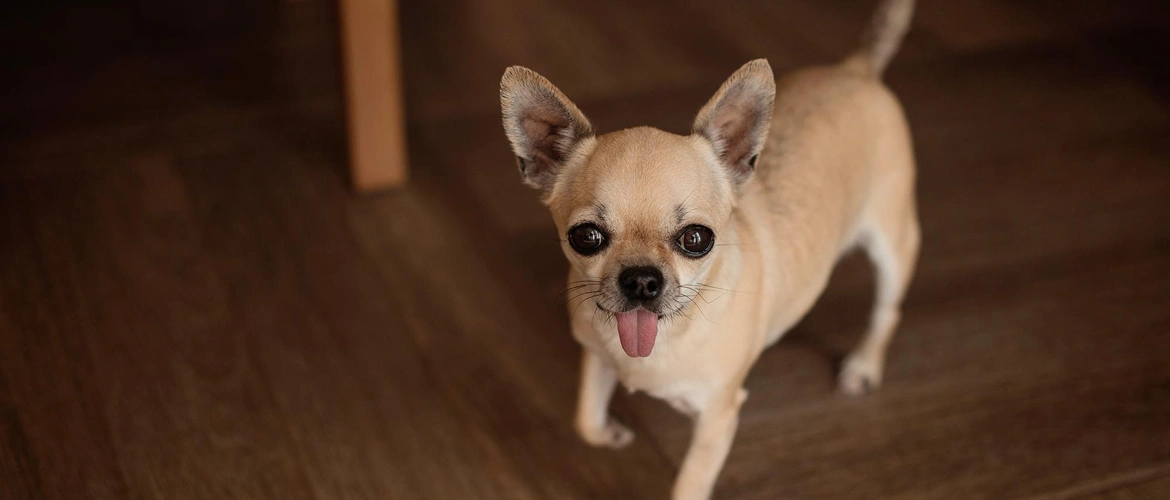
As Chihuahuas move from the newborn stage into older puppyhood, typically between 3 and 6 months, their growth becomes more noticeable. During this period, they gain strength, coordination, and personality, preparing them to become a full adult, making it an exciting but crucial stage for their development.
Growth stages from 3 to 6 months:
Behavior and nutritional needs:
Differences between small and larger Chihuahua puppies:
Understanding the changes in this stage ensures that older puppies develop into healthy and well-adjusted adult Chihuahuas. Monitoring growth and providing proper nutrition sets the foundation for a long and healthy life.
A Chihuahua growth chart is a helpful tool for tracking your puppy’s development from birth to adulthood. By monitoring growth month by month, owners can ensure their Chihuahua is developing at a healthy rate and identify any potential concerns early.
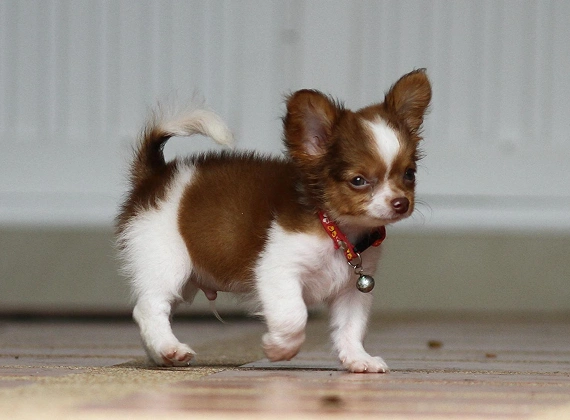
Monthly growth expectations:
Visual representation of height and weight increase:
Tips for tracking growth at home:
Using a growth chart helps owners stay proactive in managing nutrition, exercise, and overall health, ensuring a Chihuahua grows into a happy, healthy adult.
A Chihuahua weight chart is an essential guide for tracking your puppy’s growth and ensuring they stay within a healthy weight range. Regularly monitoring weight helps identify potential health issues and supports proper nutrition and exercise planning.
Average weight ranges by month:
Male vs. female growth patterns:
How to use the chart for healthy development:
Using a weight chart allows you to stay proactive in maintaining your Chihuahua’s health and ensures they grow at a safe and steady pace.
Maintaining a healthy weight is crucial for a Chihuahua’s overall health and longevity. Being at an ideal weight helps prevent joint problems, heart issues, and other health complications. Understanding the signs of a healthy Chihuahua can help owners ensure their dog stays in optimal condition, and it’s a good idea to regularly check these signs.
Signs of a healthy Chihuahua:
Risks of underweight or overweight:
Feeding tips to maintain ideal weight:
Maintaining a healthy weight ensures that your Chihuahua enjoys a longer, happier life while minimizing the risk of health problems related to poor nutrition or growth.
Chihuahuas are known for their small stature, but the size of a chihuahua can vary depending on several factors. Understanding the typical size range and the influences on growth, especially in toy dog breeds, helps owners anticipate how their puppy will develop.
Typical adult size range (height and weight):
Factors influencing size (genetics, nutrition, breed type):
Distinguishing between standard and teacup Chihuahuas:
Knowing the expected size of your Chihuahua allows for better planning regarding feeding, exercise, and overall care, ensuring your dog grows healthy and strong.
Many Chihuahua owners wonder how large their puppy will grow. While predicting exact adult size can be challenging, observing early growth patterns, the traits of the puppy’s parents, and understanding developmental factors can provide a good estimate.
Predicting adult size based on puppy growth:
Understanding growth plate development:

When to expect growth slowdowns:
Understanding these factors allows owners to anticipate their Chihuahua’s final size and provide care that supports healthy growth throughout puppyhood and into adulthood.
While most Chihuahuas fall within the 3 to 6 pound range, some can grow larger and reach around 10 pounds. These larger Chihuahuas are healthy but may require special care to maintain proper weight and overall health.
Overview of larger Chihuahuas:
Health considerations for heavier Chihuahuas:
Feeding and exercise tips:
Understanding the needs of a 10-pound Chihuahua helps ensure that larger Chihuahuas live healthy, active lives without compromising their comfort or well-being.
Comparing Chihuahua growth with other small dog breeds can help owners understand what to expect in terms of size, weight, and development. While Chihuahuas are among the smallest dog breeds, these tiny dogs each have their own growth patterns and adult size ranges.
Key points to consider when comparing Chihuahuas to other breeds include:
Understanding these differences helps prospective owners choose a small dog breed that fits their lifestyle and expectations. It also provides context for what is normal in growth and weight, allowing better care and health management for your Chihuahua.
Chihuahuas grow quickly during their first year, progressing from tiny puppies to full-sized adults, with most reaching full height by eight to ten months and adult weight by around twelve months. Monitoring growth through regular weight checks, observing body condition, and providing proper nutrition and exercise ensures long-term health. Paying attention to these stages allows owners to support healthy development while enjoying every moment of their Chihuahua’s playful and energetic journey from puppyhood to adulthood. For those looking to start that journey with a healthy, well-cared-for puppy, Puppy Petite is a trusted source for toy and teacup breeds, offering over 31 years of experience, licensed care, and a commitment to ensuring every puppy grows strong, happy, and ready to thrive in a loving home.
Copyright © 2025 Puppy website. All rights reserved.


Copyright © 2026. Puppy Petite Website. All Rights Reserved.
8002 17th Avenue,
Brooklyn NY 11214
Copyright © 2025 Puppy website. All rights reserved.

