

Teacup Chihuahuas have captured the hearts of many dog lovers with their tiny size, big personalities, and irresistibly cute appearance. Weighing only a few pounds when fully grown, they are often considered an ideal choice for small living spaces and for owners who enjoy having a constant, devoted companion. Their charm, loyalty, and lively spirit have made them a popular addition to many households, and trusted breeders like Puppy Petite are dedicated to raising healthy, well-socialized puppies that are ready to become part of the family.
While they do have unique care needs because of their delicate build and spirited temperament, these same traits also make them one-of-a-kind and deeply rewarding pets. In this article, we’ll explore the pros and cons of having a Teacup Chihuahua as a family companion so you can discover whether this adorable little dog might be the perfect fit for your home.

Teacup Chihuahuas are an unofficial variation of the Chihuahua breed, selectively bred to be smaller than the already tiny standard Chihuahua. While not recognized as a separate breed by major kennel clubs, the term “Teacup” is commonly used to describe Chihuahuas that weigh significantly less than the breed standard, often under four pounds when fully grown. Their small stature makes them highly sought after by those looking for an especially petite companion.
Compared to standard Chihuahuas, Teacup Chihuahuas differ in a few notable ways:
Because of their size and delicacy, Teacup Chihuahuas demand more specialized care than their standard-sized counterparts, making it important for prospective owners to understand the responsibilities involved before bringing one home.
Teacup Chihuahuas may be tiny in size, but they often have personalities that far exceed their stature. They are known for being affectionate, loyal, and sometimes a little feisty. Many form deep bonds with their primary caregiver and enjoy being close to their family members, whether that means sitting on laps, following them from room to room, or snuggling under blankets. While they can be playful and energetic, they also appreciate quiet moments and thrive on attention.
When it comes to adaptability, Teacup Chihuahuas can adjust to a variety of living situations, but certain conditions suit them better than others:
Overall, a Teacup Chihuahua can be a loving and charming addition to the right family, but their delicate nature means they thrive in homes where their needs and boundaries are respected.
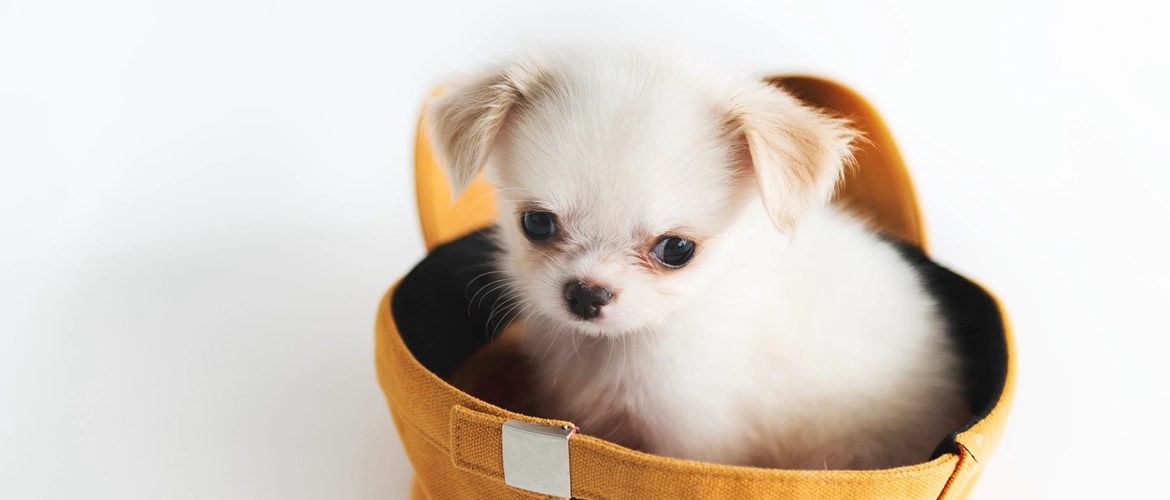
The Chihuahua is one of the oldest dog breeds in the Americas, with origins tracing back to ancient civilizations in Mexico. They are believed to be descendants of the Techichi, a small companion dog kept by the Toltec people as far back as the 9th century. Later, the Aztecs refined the breed into a smaller, more agile dog that was cherished for companionship and, in some cases, cultural significance. Modern Chihuahuas were named after the Mexican state of Chihuahua, where the breed was first discovered by travelers in the mid-1800s and later brought to the United States.
The “Teacup” variation emerged much later as a result of selective breeding. Breeders began pairing the smallest Chihuahuas in hopes of producing dogs that stayed exceptionally small even in adulthood. While this breeding practice created the highly sought-after Teacup Chihuahua, it also increased the risk of certain health challenges due to the reduced genetic diversity and the emphasis on extreme size reduction.
Key points about the Teacup Chihuahua’s background include:
Understanding this history helps explain both the Teacup Chihuahua’s appeal and the care considerations that come with owning such a delicate dog.

Owning a Teacup Chihuahua can come with several appealing benefits, especially for families or individuals looking for a small, affectionate companion. Their size, personality, and adaptability can make them a great fit for certain lifestyles.
Teacup Chihuahuas are among the smallest companion dogs, making them incredibly easy to carry and travel with. They fit comfortably in a small carrier or even a handbag, which is convenient for trips to the vet, car rides, or visits with friends. Their compact size also makes them ideal for small living spaces such as apartments, condos, or tiny homes.
One of the advantages of the Chihuahua breed, including Teacups, is their long life expectancy. Many live between 12 to 15 years, and some reach their late teens with proper care. For committed families, this means enjoying a long-lasting bond and companionship over many years.
Teacup Chihuahuas are known for their strong attachment to their owners. They often choose a favorite person and remain devoted, following them around the house and seeking constant closeness. This loyalty can make them deeply rewarding pets for those who want a loving and attentive companion.
Unlike larger breeds that require extensive physical activity, Teacup Chihuahuas are content with short walks and light indoor play. They can get much of their exercise simply by moving around the home. This makes them a good choice for people with limited mobility, busy schedules, or no access to large outdoor spaces.
While Teacup Chihuahuas have many appealing qualities, they also come with challenges that potential owners should carefully consider. Their size and breeding history contribute to certain health, behavior, and compatibility issues that may not make them the right choice for every household.
Teacup Chihuahuas are prone to a variety of health concerns due to their extremely small size and selective breeding. Common problems include:
Heart-related conditions, such as mitral valve disease, are more frequently seen in Chihuahuas, and the smaller Teacup variety can be especially vulnerable. Owners should watch for symptoms like coughing, difficulty breathing, or lethargy, and regular vet checkups are essential for early detection.
Teacup Chihuahuas are known for being vocal, often barking to alert their owners of visitors, noises, or perceived threats. While this can make them good watchdogs, excessive barking can be disruptive, especially in apartments or neighborhoods with close neighbors.
Their delicate frames make them a risky match for households with young children who may not yet understand how to handle pets gently. Accidental drops, rough play, or stepping on the dog can cause serious injury.
Teacup Chihuahuas may be wary of or even aggressive toward larger dogs, as their small size makes them feel vulnerable. In multi-pet homes, they may require careful introductions and supervision to prevent conflicts or injuries.
Teacup Chihuahuas and small children can live together, but constant supervision is essential to keep both the dog and the child safe. Due to their tiny and fragile frames, even well-meaning play can lead to accidental injury for the dog. A sudden grab, a drop, or stepping on the Chihuahua can cause serious harm, so an adult should always be present when young children interact with them.
To create a safe and positive environment, it is important to teach children how to handle a Teacup Chihuahua gently and respectfully:
By setting clear rules and ensuring an adult is always present, families can help foster a safe, loving bond between children and their Teacup Chihuahua.
Teacup Chihuahuas can live peacefully with other pets, but their small size and bold personality mean introductions should be handled with care. Without proper socialization, they may become defensive or territorial, especially around larger animals. Early, positive exposure to other pets can help them feel more comfortable and reduce the risk of conflict.
Some helpful socialization tips include:
Potential issues to watch for include a strong prey drive, which may cause them to chase smaller pets like hamsters or birds, and territorial behavior, where they guard food, toys, or their favorite person from other animals. Understanding these tendencies and addressing them early can help ensure a harmonious multi-pet household.
Before bringing a Teacup Chihuahua into your home, it’s important to honestly assess whether this breed fits your family’s lifestyle, environment, and expectations. While their size, charm, and affectionate nature can be appealing, they also require careful handling, consistent attention, and a home that can meet their specific needs.
Questions to ask yourself include:
Matching your household dynamics to the needs of a Teacup Chihuahua is key. They are best suited for families or individuals who:
By carefully weighing these factors, you can determine whether a Teacup Chihuahua will thrive in your home and whether you’ll truly enjoy the experience of having one as part of your family.
Teacup Chihuahuas are affectionate, loyal, and full of personality, making them a delightful choice for families who can provide a calm, safe environment. Their tiny size suits apartment living, and their long lifespan allows for years of companionship. With breeders like Puppy Petite dedicated to raising healthy, well-cared-for puppies, families can feel confident about bringing home a pet that is ready to thrive. While they are fragile, prone to certain health issues, and require gentle handling, especially around small children and larger pets, households prepared to meet their specific care needs will find a Teacup Chihuahua to be a loving and rewarding companion.
If you want to ensure your Teacup Chihuahua puppy is healthy and free from common genetic health issues, choose Puppy Petite. We care for all our puppies and parent dogs like family and provide you with complete, accurate health records to help your new pet thrive.
Copyright © 2025 Puppy website. All rights reserved.


Copyright © 2026. Puppy Petite Website. All Rights Reserved.
8002 17th Avenue,
Brooklyn NY 11214
Copyright © 2025 Puppy website. All rights reserved.

