

Small dogs are often pictured curled up in their owners’ laps, snuggled under blankets, and happily accepting endless petting. While this image is charming, the reality is more nuanced. Not all small dogs are natural lap dogs, and their inclination to cuddle depends on a combination of breed characteristics, individual personality, and early socialization experiences. Understanding these factors can help prospective owners choose a puppy that matches their lifestyle and expectations. Working with a responsible breeder like Puppy Petite ensures you find a small dog whose temperament and socialization align with your home. Whether you want a companion who is always by your side or a spirited pup who enjoys independence, it’s important to look beyond size when selecting a small dog.

Small dogs are generally categorized by weight and size. These distinctions help prospective owners understand what to expect in terms of care, energy levels, and space requirements. Toy breeds usually weigh under 12 pounds and are often chosen for their portability and “cute” appeal. Examples include Pomeranians, Toy Poodles, and Chihuahuas. Teacup breeds are even smaller, often under six pounds, such as Teacup Maltese or Teacup Yorkies. These tiny dogs are popular among owners seeking an ultra-compact companion, but their diminutive size does not automatically mean they are affectionate lap dogs.
While small dogs are often perceived as delicate, many are active, curious, and independent. They may require stimulation, exercise, and mental engagement similar to larger breeds. Understanding the distinction between toy and teacup sizes, along with the breed’s inherent personality traits, can help owners make informed choices and set realistic expectations.
The term “lap dog” evokes the image of a tiny pup contentedly perched on your lap for hours. However, this stereotype does not apply to all small dogs. Breed tendencies, upbringing, and individual temperament play a more significant role than size alone. Some small dogs may happily climb into your lap and seek constant attention, while others are more independent and prefer to explore, play, or rest in a quiet corner.
For instance, a Bichon Frise may enjoy frequent cuddles, whereas a Miniature Pinscher may be selective about when they want affection. Understanding that each dog has a unique personality is crucial. Being prepared for a mix of behaviors can prevent disappointment and ensure a harmonious bond between you and your new companion.
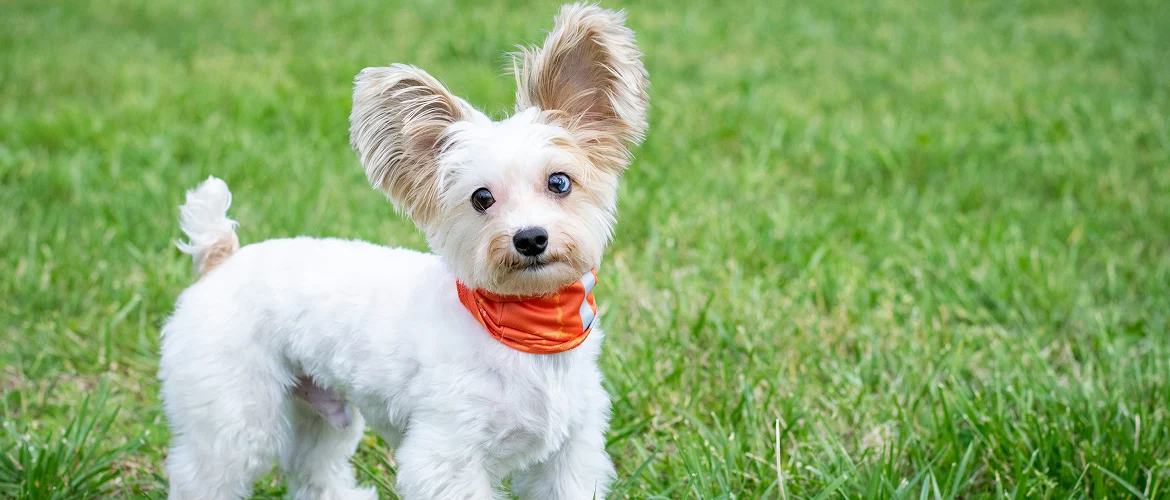
While size may influence expectations, personality ultimately determines whether a small dog becomes a lap-loving companion. Some breeds are naturally affectionate and thrive on physical closeness. Cavalier King Charles Spaniels, Bichon Frises, and Maltese are examples of breeds that often enjoy snuggling, following their owners around, and seeking comfort in laps.
Other breeds, such as Chihuahuas, Miniature Pinschers, or certain terriers, may display a strong sense of independence. These dogs might enjoy attention on their own terms and prefer exploring or playing over extended cuddle sessions. Recognizing these tendencies before choosing a puppy can help align expectations with reality and prevent frustration for both the owner and the dog.
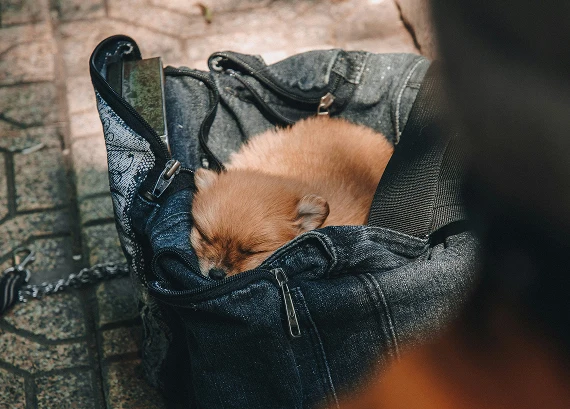
A dog’s cuddling behavior is influenced by multiple factors beyond breed, including:
Understanding these factors helps prospective owners make better decisions when choosing a small dog and creates a nurturing environment that encourages affection and comfort.
Socialization is one of the most important aspects of raising a small dog with a friendly, affectionate personality. Puppies who are exposed to different people, pets, and experiences during their formative weeks are more likely to develop confidence and positive behaviors. Well-socialized puppies are typically more adaptable, less anxious, and more likely to enjoy lap time and cuddling. Conversely, puppies who lack early socialization may be timid, shy, or hesitant to interact closely with humans, making them less inclined to enjoy snuggling.
Choosing a reputable breeder is crucial for ensuring that your puppy is both healthy and well-adjusted. Puppy Petite is a trusted source for teacup and toy breed puppies, raising them with exceptional care and attention to temperament. Their puppies are:
Every puppy from Puppy Petite comes with a one-year health guarantee, two free veterinary exams, and 14 days to be examined by your own veterinarian. Their breeders have over a decade of experience, avoid inbreeding, and prioritize strong, happy bloodlines. By choosing a puppy from a reputable source, you increase the likelihood of bringing home a small dog that enjoys affection, cuddling, and building a strong bond with their human family.
Small dogs are more likely to snuggle when they feel secure and comfortable. Soft blankets, cushions, or a warm lap can create an inviting space for cuddles. Calm surroundings and gentle handling help puppies associate lap time with comfort and safety. Avoid loud noises, sudden movements, or forcing a puppy into your lap, as this can create anxiety or avoidance.
Training plays a key role in encouraging lap behavior. Positive reinforcement, such as gentle petting, praise, or small treats, helps your puppy understand that sitting on your lap is rewarding. Gradually increasing cuddle sessions allows your puppy to become accustomed to extended periods of affection. Consistency and patience are essential. Forcing a puppy into a lap time can backfire and reduce trust.
Even affectionate dogs have limits. Watch for signs that your puppy wants space, such as shifting, yawning, licking lips, or looking away. Respecting these signals builds trust and encourages voluntary cuddling. Puppies that feel safe and unpressured are more likely to choose lap time on their own terms, creating a positive and lasting bond.
While small dogs are often treated delicately, many are bold, active, and independent. Treating them like fragile toys can hinder confidence and encourage overly anxious behavior. Recognizing their strength, energy, and unique personality helps ensure appropriate training, exercise, and socialization.
A dog’s personality and overall well-being are influenced more by genetics, socialization, and care than by size. Regular veterinary check-ups, proper nutrition, mental stimulation, and early training contribute to a healthy, confident companion. Whether a puppy loves laps or prefers independence, these factors are essential for fostering a happy and balanced small dog.
Not all small dogs are natural lap dogs, but many can become affectionate companions with the right breed traits, socialization, and training. Prospective owners should consider breed tendencies and individual temperament, choose a healthy, well-socialized puppy from reputable breeders like Puppy Petite, and encourage lap time through positive reinforcement while respecting the puppy’s boundaries. Ultimately, a tiny breed’s lap-dog potential depends on personality and the care it receives, and with patience and consistent attention, even spirited small dogs can become cherished cuddle companions. Explore teacup and toy breed puppies at Puppy Petite to find the perfect small dog for your lifestyle and family.
Want a tiny companion that’s as healthy as it is loving? Choose Puppy Petite for teacup Chihuahuas raised with care, complete health records, and the reassurance that your cuddly lap dog is happy, healthy, and well-loved.
Please call or text 718-306-4136 or Email us at puppypetite@aol.com
Copyright © 2025 Puppy website. All rights reserved.


Copyright © 2026. Puppy Petite Website. All Rights Reserved.
8002 17th Avenue,
Brooklyn NY 11214
Copyright © 2025 Puppy website. All rights reserved.

